X-70 Fractal: perché NASA vuole un aereo con il pilota a bordo
L'X-70 Fractal di NASA pesa 4.536 kg al decollo e crociera a Mach 0,75. Cosa dichiara il comunicato, perché serve il volo reale e cosa NASA non ha detto.
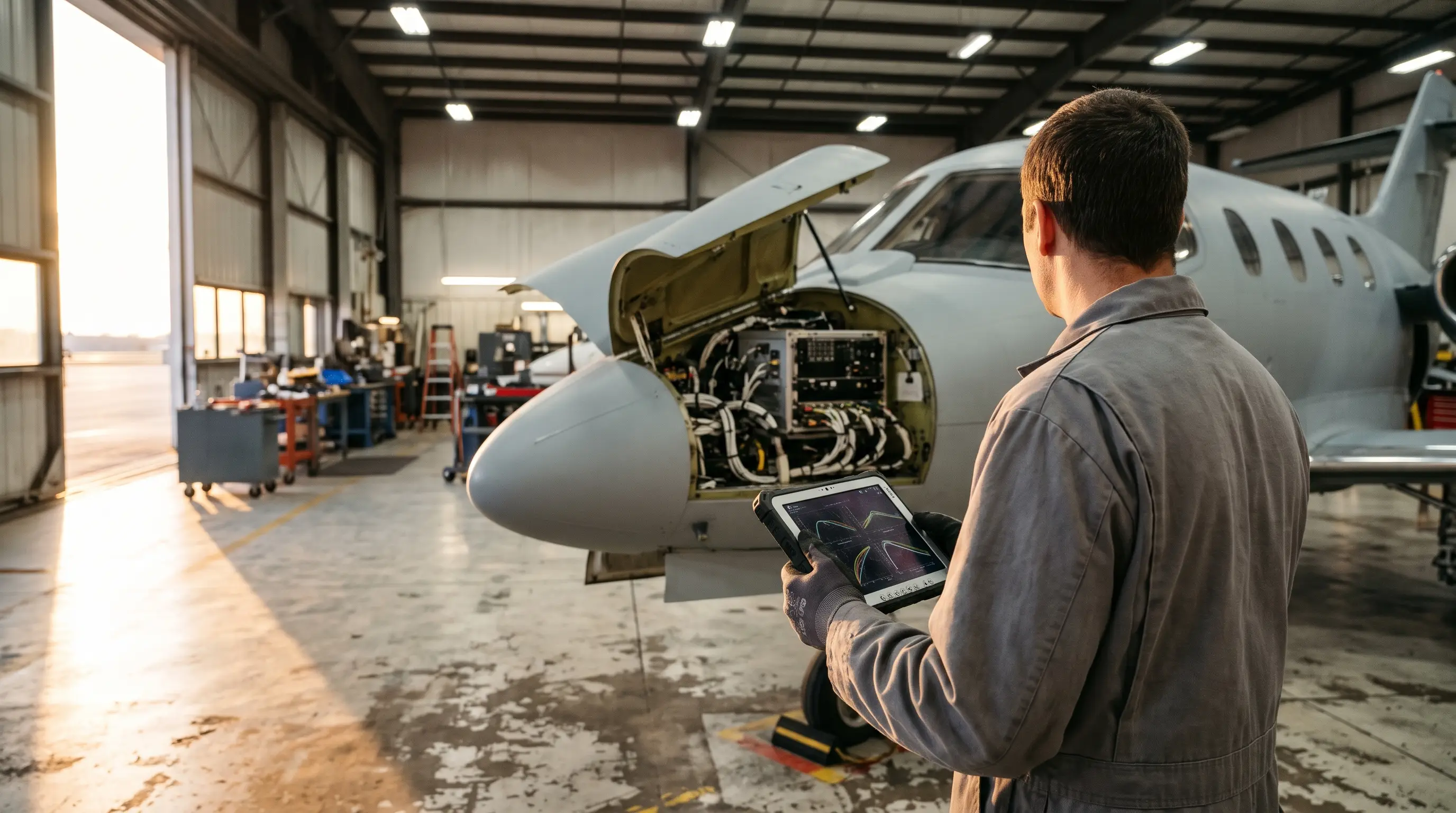
Per l'X-70 NASA ha diffuso specifiche (4.536 kg al decollo, Mach 0,75 in crociera), non dettagli di configurazione.
In questo articolo
Salta a una sezione
Le cifre che NASA ha dichiarato
Perché volare ancora: il terzo piede dello sgabello
L'X-70 rispetto a X-1, X-15 e X-59: la tradizione degli X-plane
| Velivolo | Data | Cosa ha dimostrato |
|---|---|---|
| X-1 | 14 ottobre 1947 | Primo aereo di ricerca costruito solo per sperimentare; Yeager supera il suono[9][12] |
| X-15 | 8 giugno 1959 | Primo volo planato; record non ufficiali Mach 6,7 e 354.200 piedi[18][17] |
| X-31 | n.d. | Spinta vettoriale con comandi avanzati ad alti angoli d'attacco[10] |
| X-36 | 17 maggio 1997 | Velivolo senza coda pilotato da remoto; programma chiuso il 12 novembre 1997[11] |
| X-59 | ottobre 2025 | 40 voli aggiuntivi dopo il primo; tonfo come una portiera d'auto a circa 6 metri[19][20] |
Cosa NASA non ha detto
- il costruttore del velivolo;
- budget e contratto;
- la motorizzazione;
- la configurazione dell'ala;
- il luogo dei test in volo;
- la spiegazione del nome «Fractal»;
- fotografie dell'aereo reale.
Perché NASA rilancia gli X-plane proprio ora
Da leggere · Aviazione e Volo
Il titanio dell'SR-71 Blackbird comprato dall'URSS: cosa è vero
- un costruttore dichiarato;
- una motorizzazione;
- un primo volo con una data.
Domande frequenti
Che cos'è l'X-70 Fractal della NASA?
Chi costruisce l'X-70 Fractal?
Quando volerà l'X-70 Fractal della NASA?
Perché NASA vuole un aereo sperimentale con pilota a bordo?
Che differenza c'è tra X-70 e X-59?
L'X-70 Fractal vola a Mach 0,75 al massimo?
Fonti
24 riferimenti Mostra Nascondi
- NASA, annuncio dell'aereo sperimentale X-70 (si apre in una nuova scheda)
«takeoff weight of 10,000 pounds and is designed to cruise at Mach .75, reach altitudes of up to 45,000 feet»
- NASA, annuncio dell'aereo sperimentale X-70 (si apre in una nuova scheda)
«The aircraft can also accommodate up to 2,000 pounds of experimental payloads in internal and external locations»
- NASA, annuncio dell'aereo sperimentale X-70 (si apre in una nuova scheda)
«an operational range exceeding about 1,726 miles (1,500 nautical miles)»
- NASA, annuncio dell'aereo sperimentale X-70 (si apre in una nuova scheda)
«NASA unveiled its newest experimental aircraft, the X-70 Fractal, during the UP.Summit at the agency’s Kennedy Space Center in Florida.»
- NASA, annuncio dell'aereo sperimentale X-70 (si apre in una nuova scheda)
«The crewed X-70 features advanced, rapidly reconfigurable flight-control technology that will allow NASA to explore aircraft maneuverability in ways never before demonstrated in crewed flight.»
- NASA, annuncio dell'aereo sperimentale X-70 (si apre in una nuova scheda)
«We expect her first flight under the NASA banner within the next two years»
- NASA, annuncio dell'aereo sperimentale X-70 (si apre in una nuova scheda)
«Its modular design and ability to rapidly swap internal and external payloads will keep our teams flying, learning, and moving quickly from one experiment to the next.»
- NASA, annuncio dell'aereo sperimentale X-70 (si apre in una nuova scheda)
«The X-70 joins a storied legacy of experimental aircraft that have helped establish America»
- NASA Armstrong, gli X-plane (si apre in una nuova scheda)
«they established the concept of the research aircraft built solely for experimental purposes, unhampered by any military or commercial requirements»
- NASA Armstrong, gli X-plane (si apre in una nuova scheda)
«The X-31 program demonstrated the value of thrust vectoring – directing engine exhaust flow – coupled with advanced flight control systems, to provide controlled flight at very high angles of attack.»
- NASA Armstrong, gli X-plane (si apre in una nuova scheda)
«The first flight of the remotely piloted aircraft occurred on May 17, 1997, with the final flight closing the original program on Nov. 12, 1997.»
- NASA Aeronautics, nuova era degli X-plane (si apre in una nuova scheda)
«it was Oct. 14, 1947 when Air Force Capt. Chuck Yeager, dinged-up ribs and all, climbed into the bright orange Glamorous Glennis»
- NASA Aeronautics, nuova era degli X-plane (si apre in una nuova scheda)
«a popular but fundamentally misleading term that spoke more to the romantic notion of the challenges of high speed flight than an insurmountable physical wall in the sky»
- NASA Aeronautics, nuova era degli X-plane (si apre in una nuova scheda)
«The current list of X-planes that have been assigned numbers by the Air Force stands at 56, but that doesn’t mean there have been 56 X-planes.»
- NASA Aeronautics, nuova era degli X-plane (si apre in una nuova scheda)
«So the third leg of the stool is to go out and actually fly the design.»
- NASA Aeronautics, nuova era degli X-plane (si apre in una nuova scheda)
«the data recorded in actual flight can then be applied to validate and improve the computational and experimental methods used in developing the design in the first place»
- NASA, il programma X-15 (si apre in una nuova scheda)
«setting the world’s unofficial speed and altitude records — 4,520 mph (Mach 6.7) and 354,200 feet, respectively»
- NASA, il programma X-15 (si apre in una nuova scheda)
«The first unpowered glide flight was conducted by Scott Crossfield, a North American test pilot and former National Advisory Committee for Aeronautics (NACA) pilot, on June 8, 1959.»
- NASA Quesst, un anno dal primo volo dell'X-59 (si apre in una nuova scheda)
«the X-59 has completed 40 additional flights»
- NASA Quesst, un anno dal primo volo dell'X-59 (si apre in una nuova scheda)
«a thump projected to sound like a car door closing from about 20 feet away»
- The Aviationist, il capo di NASA e l'aereo misterioso (si apre in una nuova scheda)
«In a May 2026 directive, Isaacman called for a review of aeronautics investments, including additional X-planes and more radical airframe and engine designs»
- The Aviationist, il capo di NASA e l'aereo misterioso (si apre in una nuova scheda)
«I want to get back to the radical airframe and engine designs like we were always supposed to do»
- The Aviationist, il capo di NASA e l'aereo misterioso (si apre in una nuova scheda)
«the fly-by-wire technology was us. The thrust-vectoring technology was us.»
- The Aviationist, il capo di NASA e l'aereo misterioso (si apre in una nuova scheda)
«While most of times a rendering is just a rendering, not meant to show the real thing»